The Climate of Gallipoli
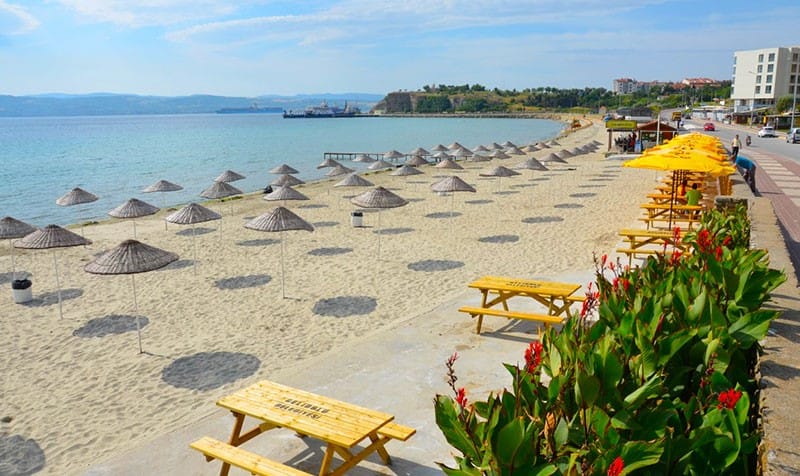
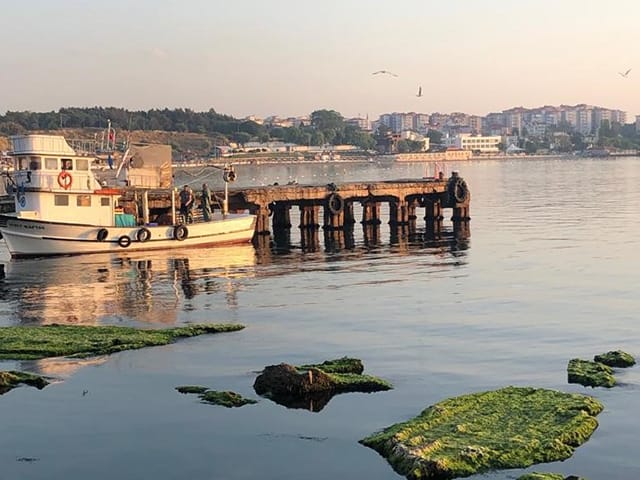
Gallipoli (Gelibolu) lies between the Thracian and Aegean climate zones. Korudağ, the mountain to the north, softens the effects of the harsh Thracian climate. Because the town sits on the shore of the Dardanelles (Çanakkale Strait), it is exposed to constant air currents for four months of the year, which is why spring here is short. Rainfall is heaviest in autumn and somewhat lighter in spring. The defining feature of winter is the strong north-easterly wind known as the Poyraz. In summer and autumn the region enjoys a Mediterranean climate, and autumns are generally mild.
In her book “Uzun Beyaz Bulut Gelibolu” (Long White Cloud – Gallipoli), Buket Uzuner writes these lines about Gallipoli’s climate: “Gelibolu’nun ayazı yamandır. Hiç acımaz, çarpar insanı. Gelibolu’nun ayazı serttir. Ege’den hiç beklenmeyecek kadar hırçındır, insafsızdır. Uğultulu seslerle ürkütücü bir hikâye anlatarak dolaşan rüzgâr insanı döver, hırpalar. Sessiz ve incecik yağan erken bahar yağmuru, rüzgârın anlattığı ürkütücü hikâyeyi anlamış kadar içini titretir insanın. Rüzgârın anlattığı hikâye, bunu daha önce hiç duymamış, hiç bilmemiş olanları bile etkiler, hüzünlü bir iz bırakır ziyaretçilerde. Gelibolu’nun rüzgârı yorar, yalnızlaştırır. Gelibolu’nun ayazı yaman ve ürperticidir. Yabancılar bunu anlamaz, bu kadar Doğu-Akdeniz’de ayazın bu kadar sert olabileceğine inanmazlar. Ancak Çanakkale’nin yerlileri bilir ayazının sertliğini. Gelibolu Yarımadası ayazın en yaman vaktinde; erken baharda çarpar insanı” [“The frost of Gallipoli is fierce. It shows no mercy; it strikes you. The frost of Gallipoli is harsh – more unruly and merciless than you would ever expect of the Aegean. The wind roams about, telling a frightening tale with its howling, and it beats and batters you. The silent, fine rain of early spring makes you shiver inside, as if it had understood the frightening tale the wind tells. The wind’s tale moves even those who have never heard or known it before, and leaves a melancholy mark on visitors. The wind of Gallipoli wears you out and makes you lonely. The frost of Gallipoli is fierce and chilling. Outsiders don’t understand this; they can’t believe the frost can be so harsh this far into the Eastern Mediterranean. But the natives of Çanakkale know how harsh its frost is. The Gallipoli Peninsula strikes you when the frost is at its fiercest: in early spring.”]